

Marosa: Dreaming, Emotional Healing, and Inner Awakening
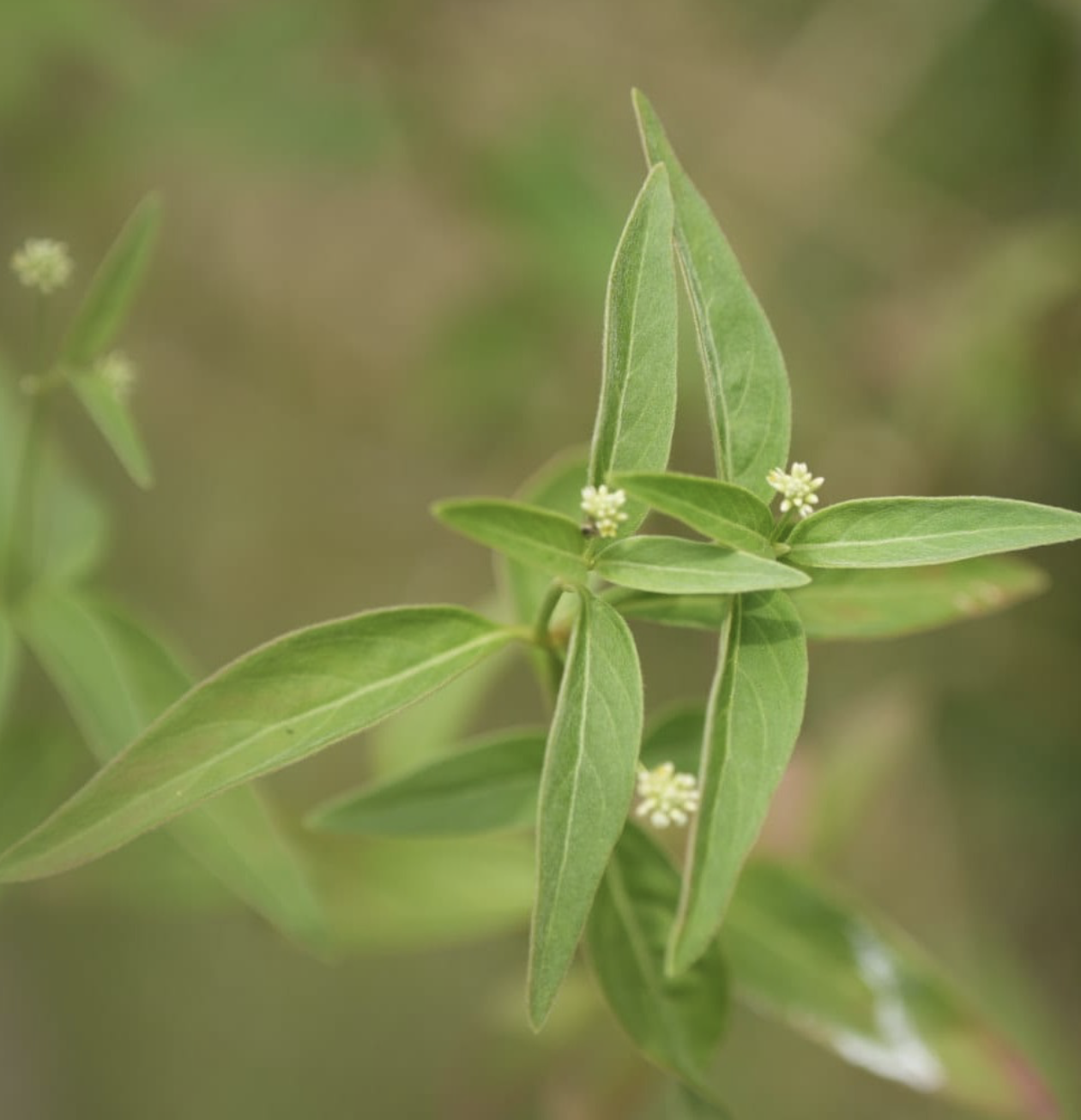
Marosa growing at our centre in the Peruvian Amazon
Deep within the Amazon rainforest, plant medicine is not only a practice of healing, but a living relationship between people, plants, and spirit. While ayahuasca is the most widely known of these medicines, there are many other sacred master plants that are central to Amazonian traditions and offer their own unique pathways of learning.
At the Jochipapanete Ayahuasca Centre in Contamana, Peru, we work with a range of master plants through traditional dietas. One of the most subtle, beautiful, and quietly powerful among them is Marusa (also known as Marosa).
What is Marusa?
Marusa is a respected master plant within the Shipibo tradition of the Peruvian Amazon. She is often described as a gentle but deeply transformative teacher, associated with feminine energy, emotional intelligence, and intuitive perception.
Unlike plants that bring strong physical or visionary intensity, Marusa works in a more delicate and refined way. Her presence is often felt through dreams, emotions, and subtle inner shifts, rather than overwhelming experiences.
For this reason, she is sometimes overlooked by those seeking dramatic effects—but among experienced healers, she is known as a plant of depth, clarity, and quiet power.
The Spirit of Marusa in Shipibo Plant Medicine
In Shipibo plant knowledge, each master plant carries a spirit or intelligence that teaches in its own way. Marusa is considered a soft, feminine plant spirit, one that opens the heart and deepens sensitivity rather than pushing or confronting.
Her teachings are said to emerge through:
The dream world and symbolic visions
Emotional release and healing
Silence, stillness, and deep listening
A heightened connection to nature
There is a saying among Amazonian healers that even one leaf of Marusa contains many visions. This reflects the belief that her wisdom is not loud or forceful, but layered and expansive, revealing itself over time.
The Experience of a Marusa Dieta
A plant dieta is a traditional practice in the Amazon, where a person enters into a focused relationship with a specific plant over a period of time. This includes dietary restrictions, periods of solitude, and guidance from experienced healers.
Dieting Marusa is often described as a gentle unfolding rather than an intense process. Many people notice:
Increased dream activity, with vivid or meaningful imagery
Emotional release, sometimes subtle but deeply felt
A growing sense of calm, openness, and receptivity
Greater awareness of inner guidance and intuition
Because of her soft nature, Marusa can be especially supportive for those who are sensitive, or who feel overwhelmed by stronger plant experiences.
Potential Benefits of Working with Marusa
While each person’s experience is unique, Marusa is traditionally associated with several areas of healing and growth.
Dream Expansion and Visioning
Marusa is strongly connected to the dream world. She may help to open and clarify dreams, allowing insights to come through symbols, feelings, and imagery that continue to unfold over time.
Emotional Healing and Heart Opening
This plant is known for supporting the release of sadness, grief, and emotional blockages. Rather than forcing these processes, Marusa allows them to move gently, creating space for integration and understanding.
Connection to Ikaros and Inner Guidance
Through increased sensitivity, Marusa may deepen your connection to ikaros (traditional healing songs) and strengthen your awareness of your own inner voice and direction.
Preparation for Deeper Plant Work
Marusa is sometimes dieted as a foundational plant, helping to prepare the body, mind, and spirit for working with stronger master plants such as ayahuasca. She can help create openness, clarity, and energetic alignment.
Inner Awakening and Subtle Awareness
Many people report a growing sense of connection—to themselves, to nature, and to a deeper field of awareness. Marusa can support the recognition that the universe is not separate from us, but something we carry within.
Who is Marusa For?
Marusa may be particularly supportive for those who:
Feel called to plant medicine but prefer a gentler, less intense entry point
Are working through emotional healing or heart-centered processes
Want to develop their dream awareness and intuition
Seek a deeper, quieter connection with nature and spirit
Her teachings require patience and openness. They are not always immediate, but they are often deeply integrating and long-lasting.
Traditional Dietas at Jochipapanete in the Peruvian Amazon
At Jochipapanete, plant dietas are held in alignment with traditional Amazonian practices and Shipibo wisdom. This includes:
Working with experienced Shipibo healers
Respecting the spirit and intelligence of each plant
Following the dietary and energetic guidelines of the dieta
Creating a safe and supportive environment for inner work
Located in the rainforest near Contamana, Peru, the centre offers a space where participants can step away from external noise and enter into a more direct relationship with the natural world.
Here, the jungle itself becomes part of the process—its rhythms, sounds, and silence supporting a deeper level of listening.
The Quiet Wisdom of the Forest
Marusa teaches in a way that reflects the forest itself: quietly, patiently, and without force.
In a world that often seeks intensity and quick transformation, her path is different. She invites a slowing down, a softening, and a willingness to listen beneath the surface.
For many, this is where some of the most meaningful healing begins.
If you feel drawn to the path of plant dietas, or are seeking a more subtle and heart-centered experience, working with Marusa may be a powerful place to begin.
The Amazon is not only a place - it is a living system of relationships, and the plants are teachers within it.
When the time is right, many people feel that call clearly.